Applications
Wherever spans get long.
Post-tensioning (pre-stressing) has taken over from conventional methods in bridges, buildings, metro rails, flyovers and tunnels. The AT anchorage is the piece that makes it hold.
01
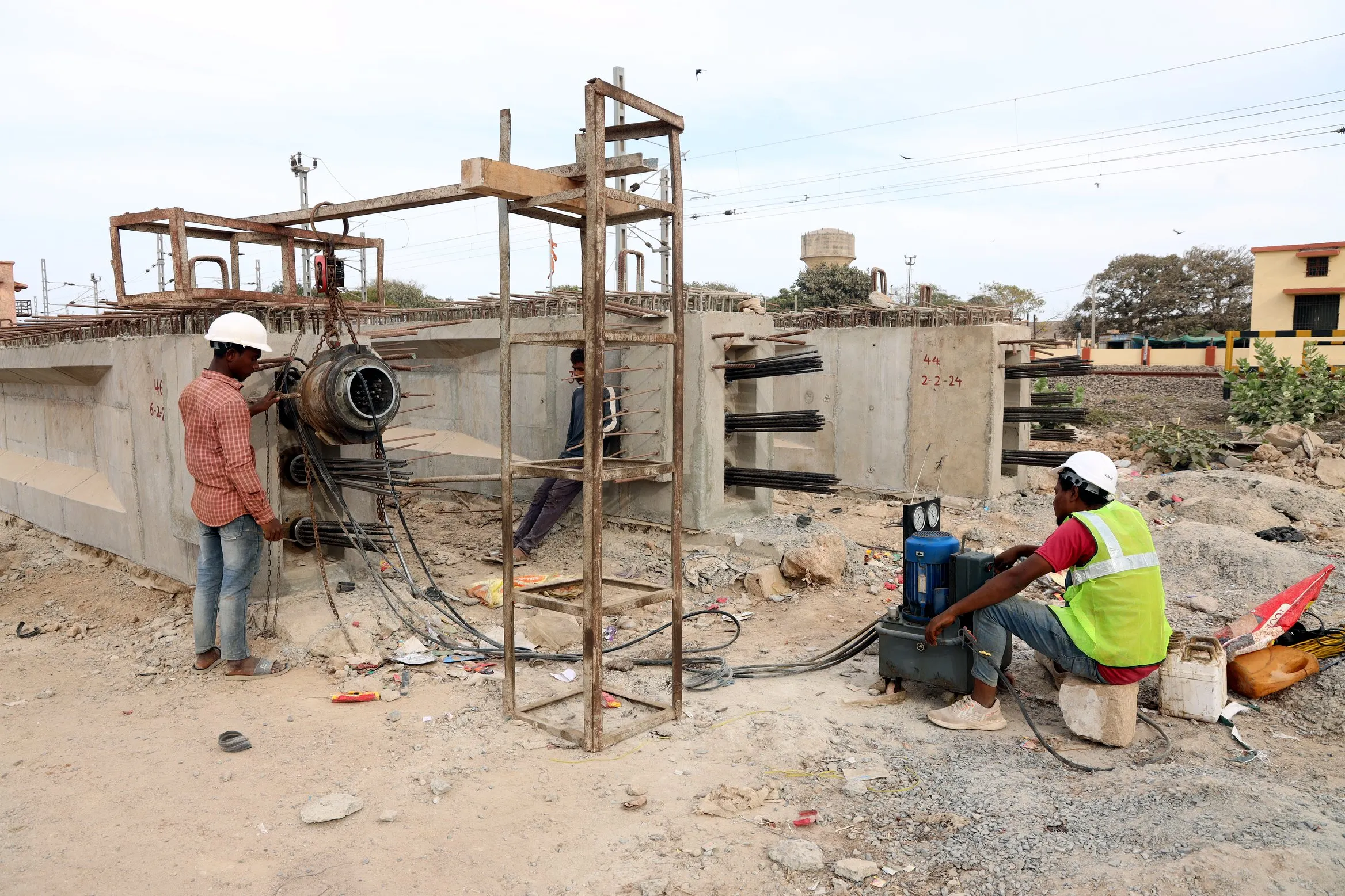
Bridges
Post-tensioned box girders and segmental decks spanning rivers, valleys and rail corridors.
02
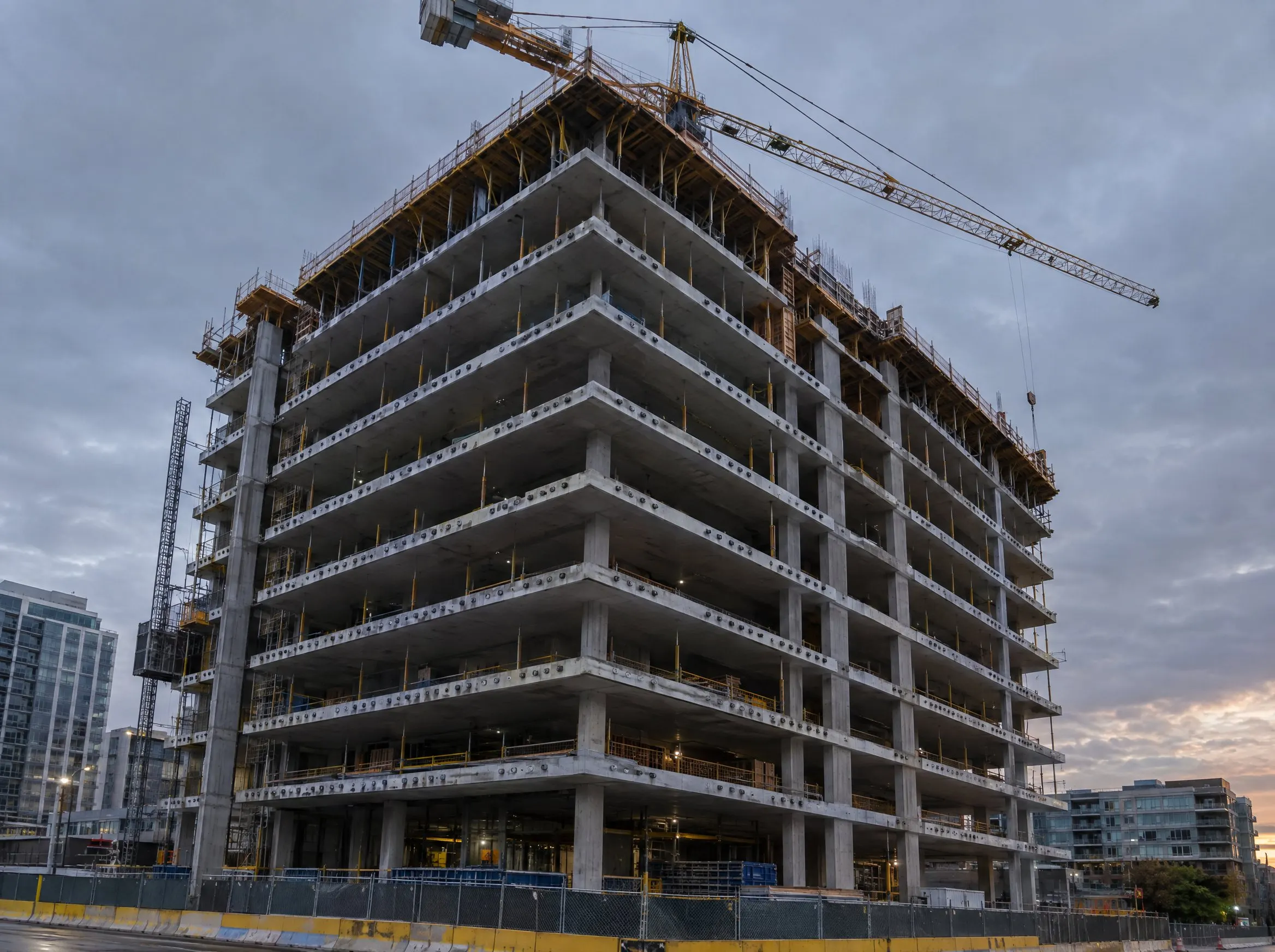
Buildings
Flat slabs and transfer girders with longer spans, thinner sections and fewer columns.
03
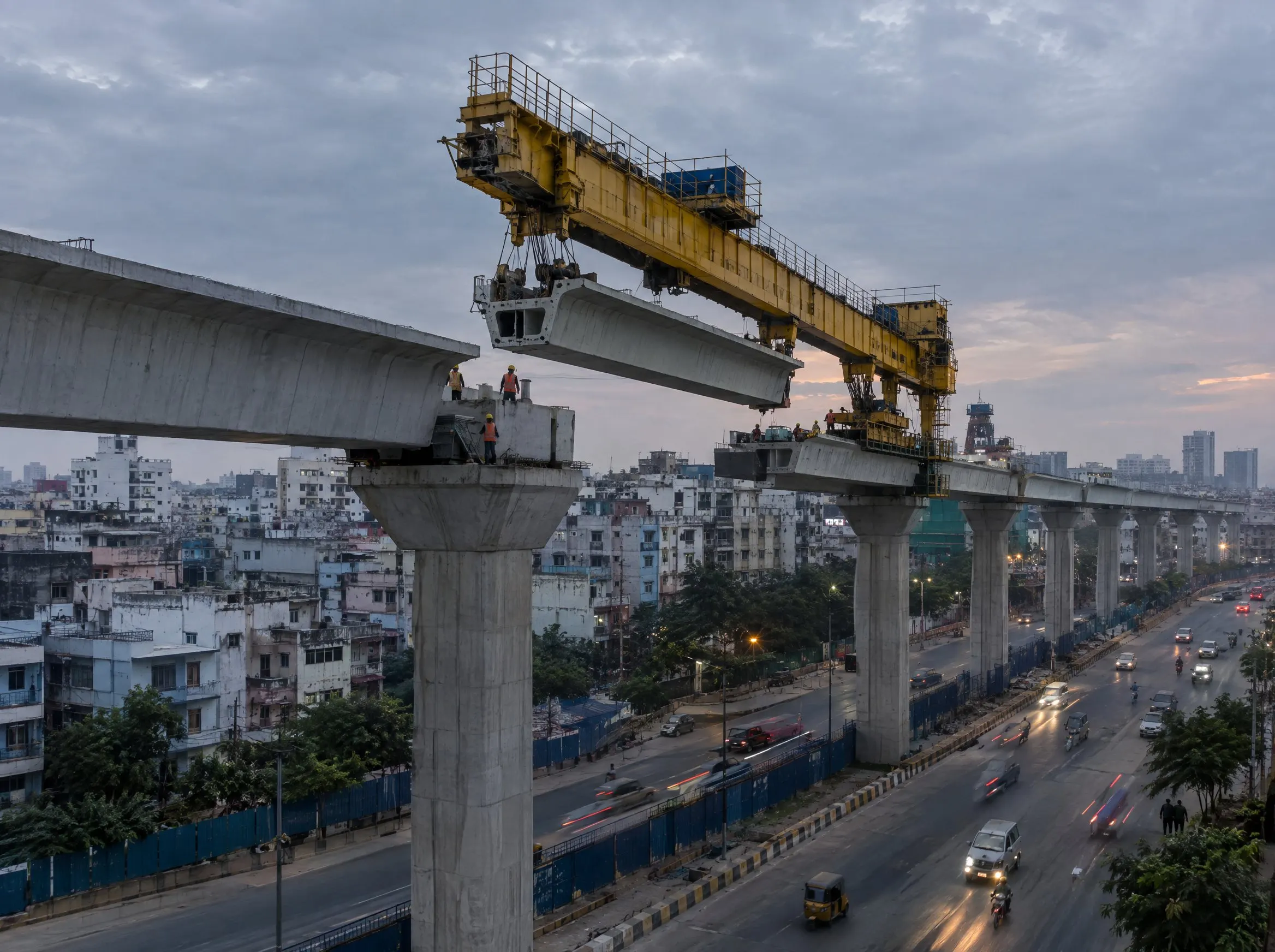
Metro Rails
Elevated viaducts and U-girders built fast over live city streets with pre-cast segments.
04
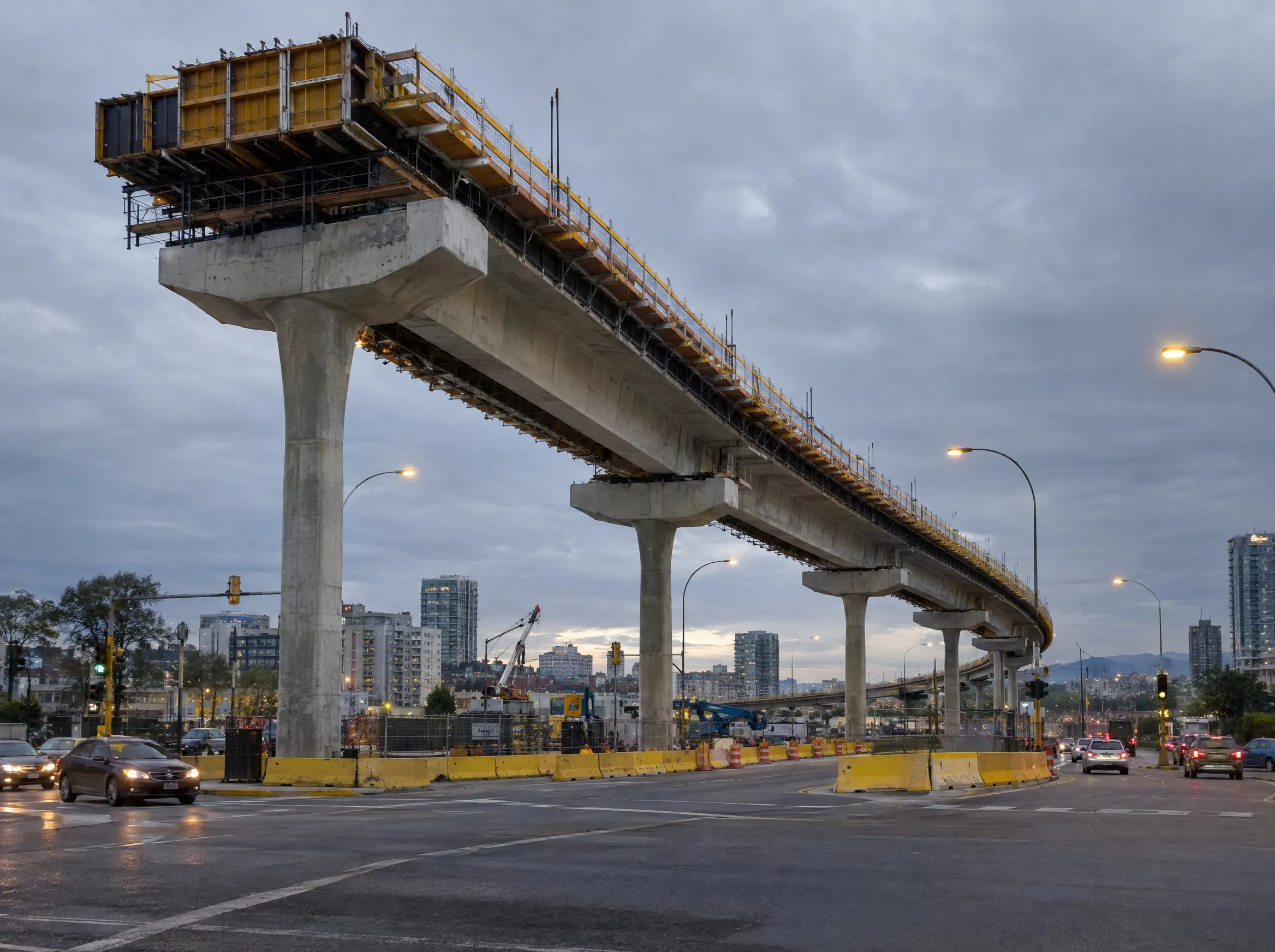
Flyovers
Urban grade separators where clearance, speed of erection and slender piers matter.
05
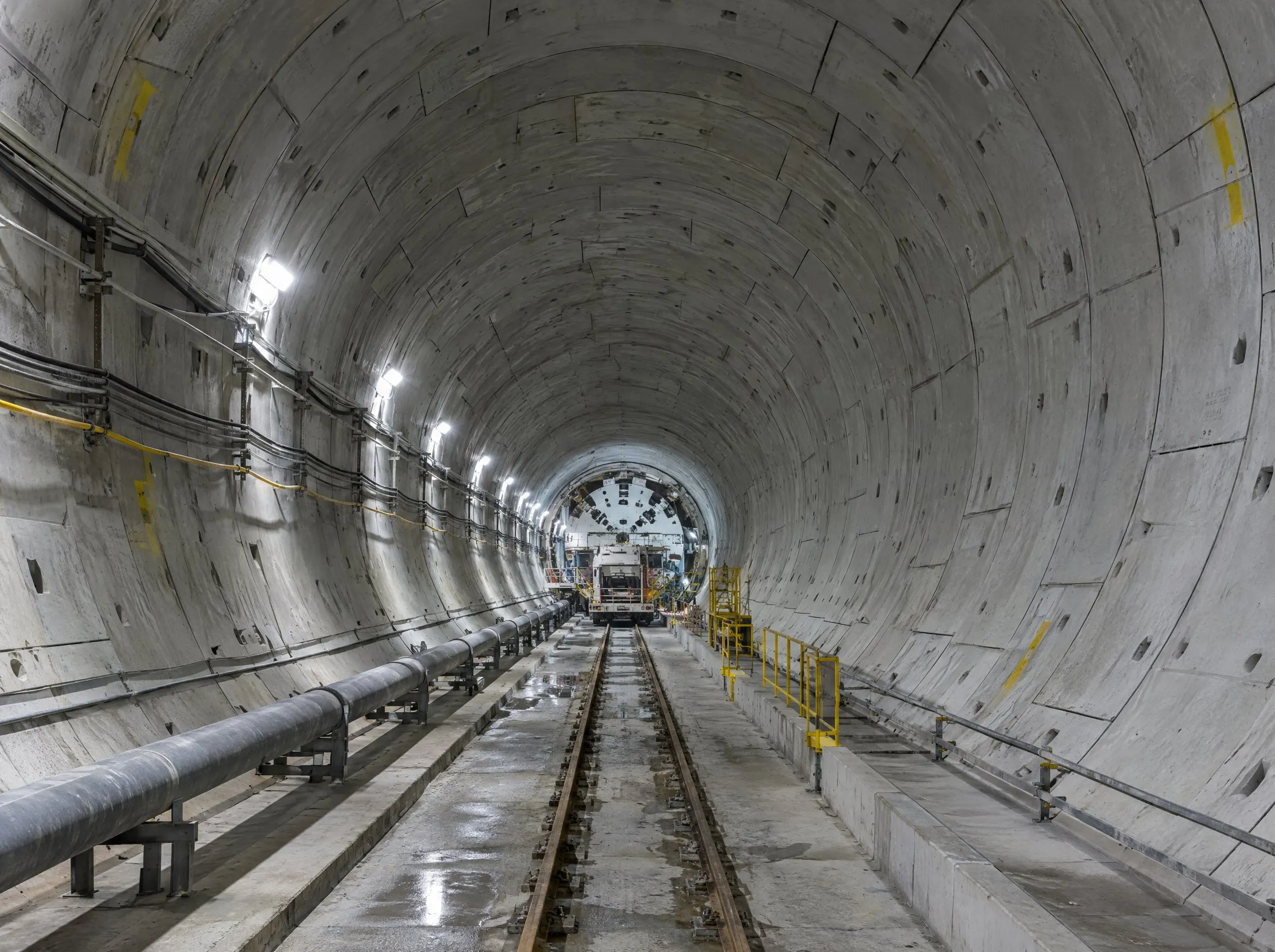
Tunnels
Pre-stressed linings and portals resisting ground pressure over long service lives.
Also specified in
06
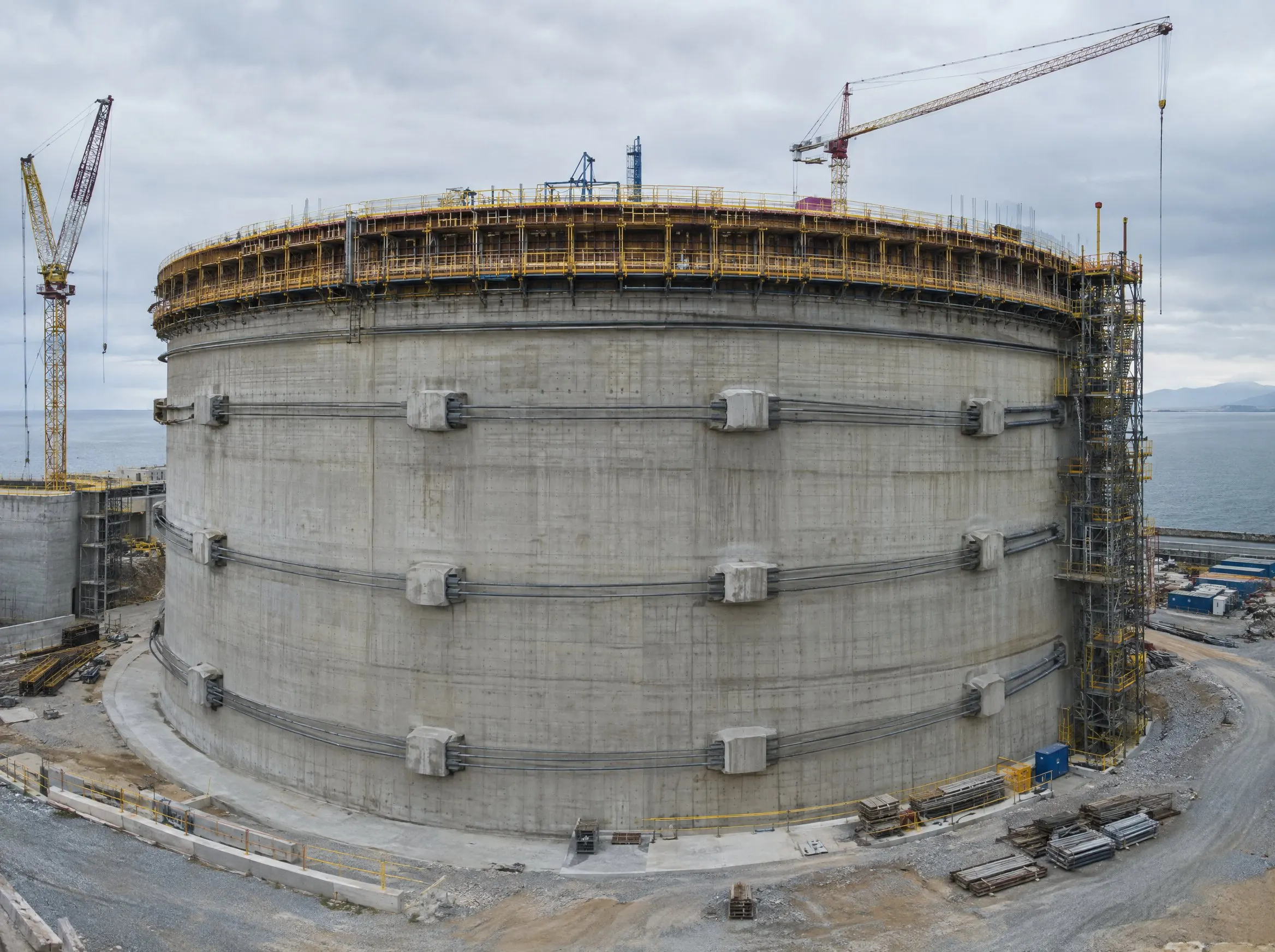
Tanks & Reservoirs
Circumferential tendons keep LNG, water and wastewater tanks in compression and leak-tight.
07
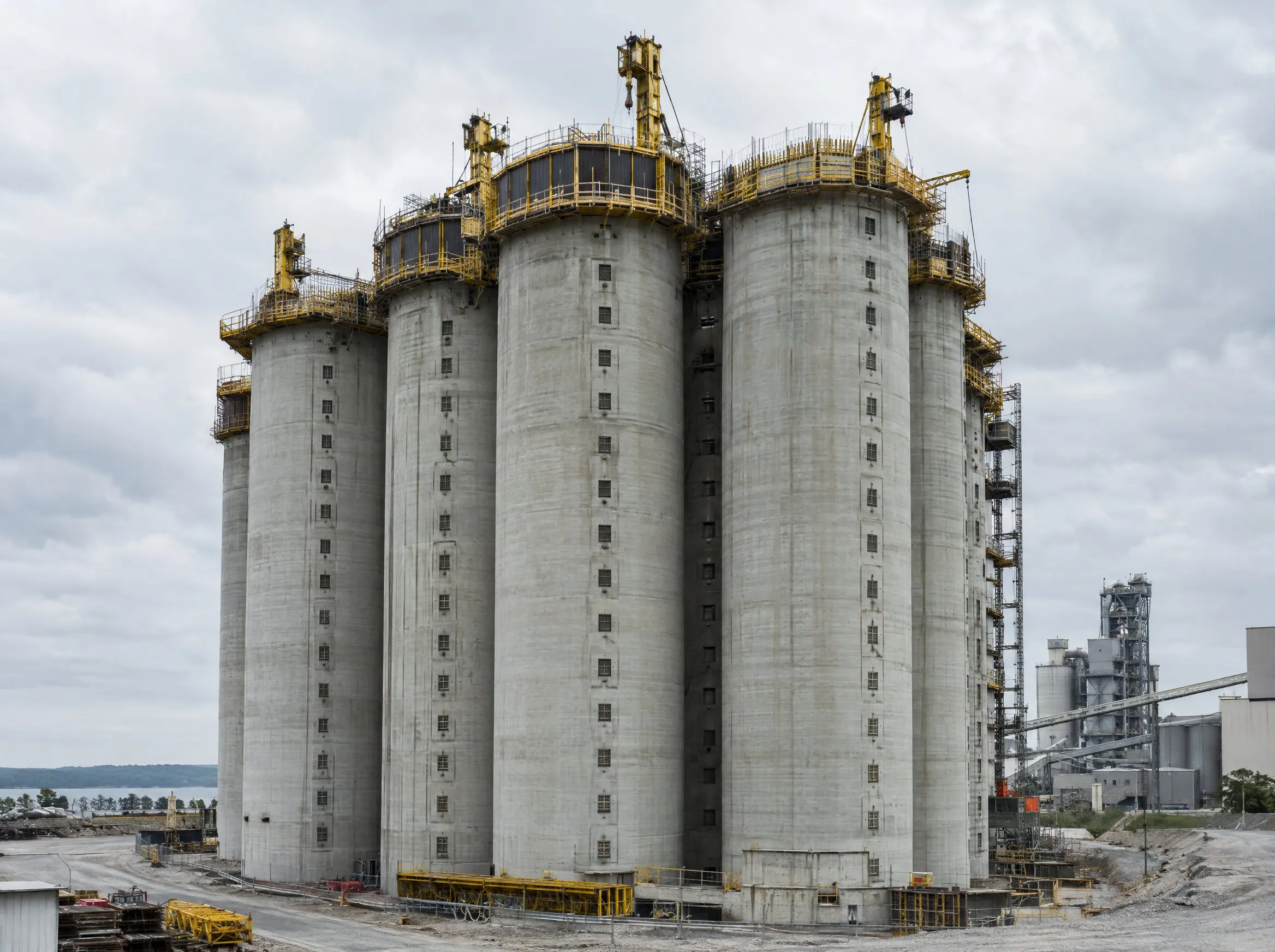
Silos & Industrial
Cement and clinker silos, wind-turbine towers and containment structures.
08
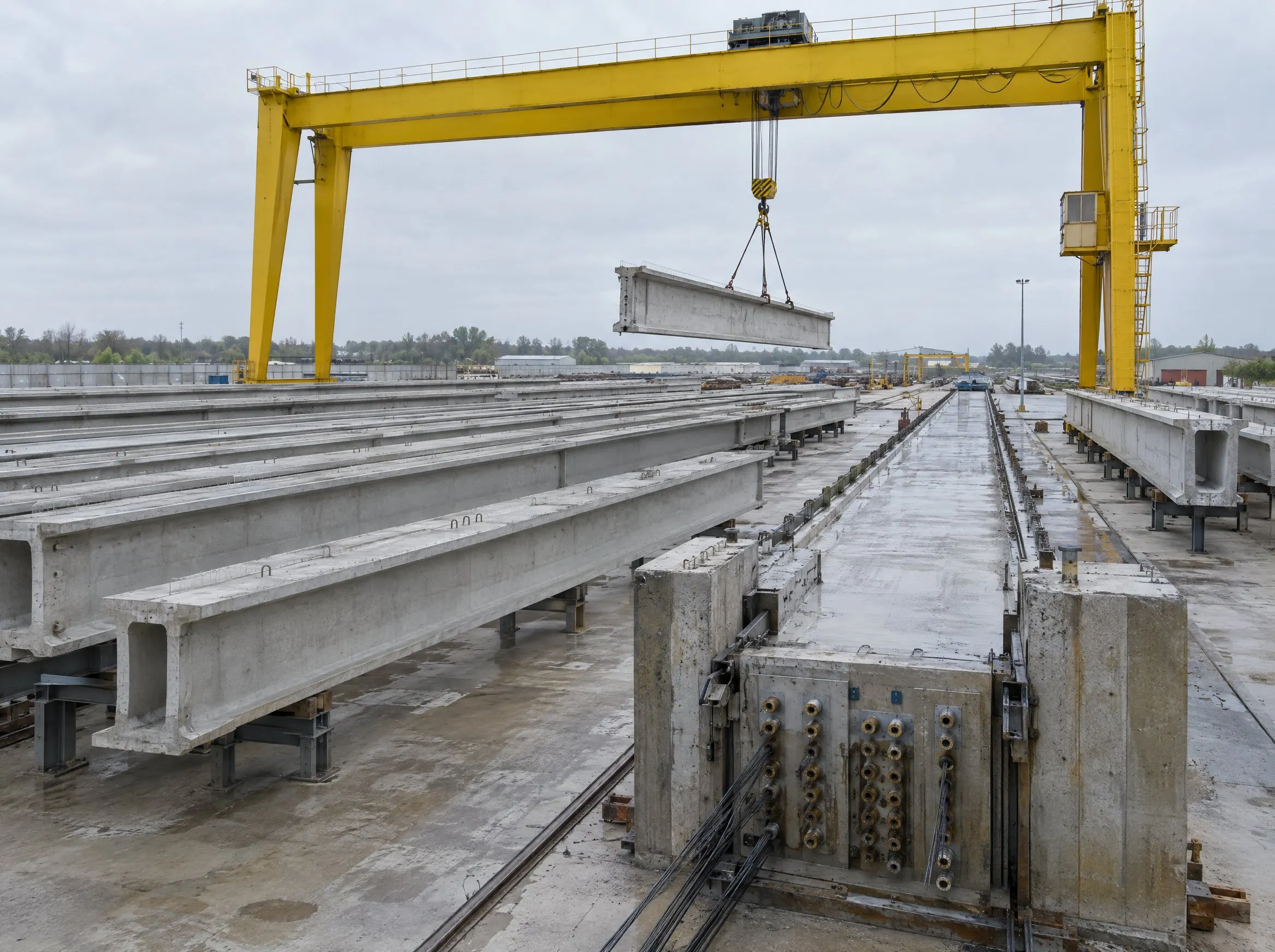
Precast Yards
Pre-tensioned I and U girders, sleepers and segments cast on long-line beds.
Longer spans
Fewer piers, fewer foundations, less land take.
Slender sections
Pre-compression keeps concrete uncracked under service load.
Faster erection
Pre-cast segments stressed in place, over live traffic.
Durability
No tension cracks means less water ingress and longer life.
Which anchorage for which structure.
The tendon force sets the model. These are the AT anchorages typically specified on each structure type; your designer's tendon schedule decides the final choice.
| Structure | Typical AT models | Where |
|---|---|---|
| Bridges | 12 AT 15, 19 AT 13 | Box girders, pier segments, closure pours |
| Metro viaducts | 12 AT 13 | Precast U-girders, 25 to 31 m spans |
| Buildings | 4 AT 13, 7 AT 13 | Slab edges, transfer girders |
| Pier caps | 12 to 19 strands of 15.2 mm | Cantilever caps, stressed from the end faces |
Flyovers, tunnels, tanks, silos and precast yards use the same five models, sized to the design force. Every anchorage ships with its anchor cone, wedges, spiral reinforcement and HDPE duct. TYROS crews also stress them on site, as on the Okha railway bridge, Gujarat (see our post-tensioning stressing services).
Send us the tendon schedule. We'll send back the anchorage.
Anchorage specifications, anti-burst reinforcement details and the stressing methodology — for every contractor, on every job.
Need the tendons stressed too? See our post-tensioning stressing services.